
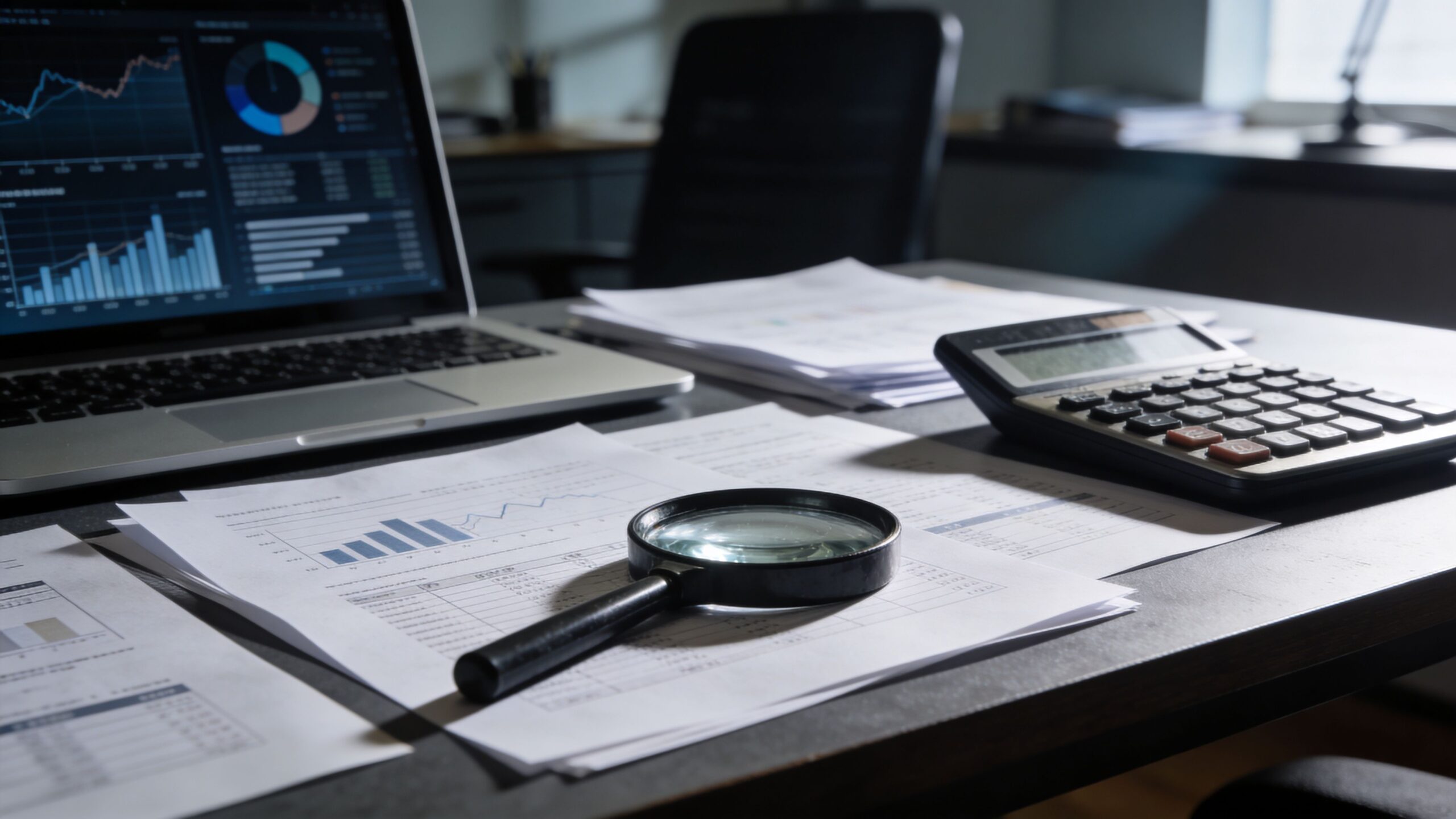
Forensic auditing lives where accounting precision meets investigation, analysis, and truth-seeking. It goes beyond routine reviews to uncover what numbers alone may try to hide—irregularities, misstatements, fraud, and financial misconduct that can reshape businesses, careers, and legal outcomes. In a world where financial complexity is growing and scrutiny is constant, forensic auditors play a critical role in connecting data to real-world behavior, transforming transactions into evidence and patterns into conclusions. On Accounting Streets, the Forensic Auditing hub brings together articles that explore how financial investigations are conducted, how red flags are identified, and how accounting expertise supports litigation, regulatory actions, and internal inquiries. You’ll dive into investigative techniques, data analysis strategies, documentation standards, and the professional judgment required to stand up to legal and regulatory review. Whether you’re studying forensic accounting, working in audit or compliance, or simply fascinated by how financial trails are traced and explained, this collection reveals how forensic auditing turns financial records into powerful tools for accountability, clarity, and financial justice.
A: A specialized examination that gathers and analyzes evidence to explain suspected fraud or disputes.
A: It focuses on specific allegations and proof, often with litigation-ready documentation.
A: A record showing how evidence was collected, handled, and stored from start to finish.
A: Original records, system logs, and third-party confirmations tied to specific transactions.
A: No—it's a screening indicator that needs corroboration and follow-up testing.
A: It clarifies sequence, causality, and contradictions across documents and systems.
A: Duplicate vendors, bank detail changes, threshold-near invoices, and weak support.
A: They test explanations and uncover leads, but must be supported with documents.
A: A numbered set of evidence items referenced directly in the written findings.
A: Clear methods, documented assumptions, and conclusions tied to cited exhibits.